
This Week in Revolutionary History: Holding the Line at Fort Mercer

If an enemy captured your capital, would that mean the war was over?

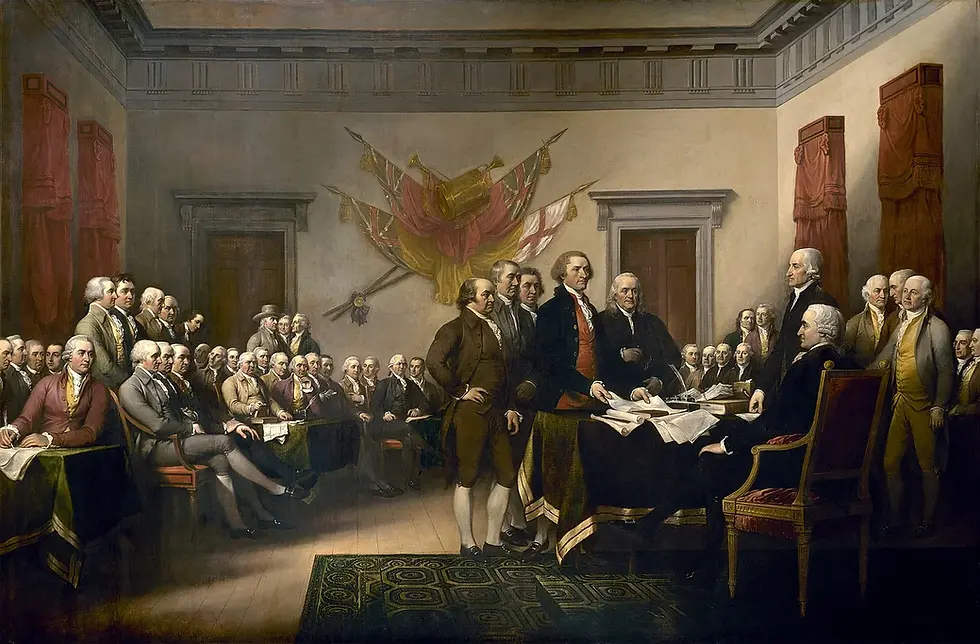
In the autumn of 1777, British troops occupied Philadelphia, the city where the Declaration of Independence had been adopted just the year before. Washington’s attempt to drive them out at Germantown had failed. Yet the Americans were still fighting—and along the Delaware River, they could make holding Philadelphia a difficult business.
An army needed more than a city to sleep in. It needed food, ammunition, and supplies. The British wanted ships to bring those necessities up the Delaware, but American defenses stood in their way.
One of those defenses was Fort Mercer, an earthen fort at Red Bank on the New Jersey side of the river. Together with Fort Mifflin and other river defenses, it helped obstruct the British supply route.

On October 22, a force of Hessian soldiers serving in the British army approached Fort Mercer. Inside, Colonel Christopher Greene commanded a much smaller American garrison.
The attackers demanded surrender. Greene refused.
According to an account recounted by the American Battlefield Trust, his answer included a declaration of determination:
“This fort shall be my tomb.”
The assault began late that afternoon.
The Hessians entered an abandoned section of the fort, but getting inside its outer boundaries did not mean they had won. Obstacles blocked their progress, and they lacked the tools needed to clear them quickly. American defenders fired from their protected positions while American gunboats added supporting fire from the river.

The attack failed. The Hessians suffered heavy losses, and their commander, Colonel Carl von Donop, was mortally wounded. Fort Mercer remained in American hands.
How could a smaller force withstand a larger one?
At Red Bank, the defenses mattered. Earthworks protected soldiers. Obstacles slowed the attackers. Supporting fire made the approach still more dangerous. The battle offers a vivid reminder that numbers alone do not decide an outcome; preparation, position, and cooperation can make an enormous difference.
The victory did not save the Delaware defenses forever. Within weeks, the British gained control of both forts and opened their supply route. But on October 22, the Americans had stopped an assault and delayed their enemy’s plans.
At Camp Flintlock, we explore the practical details behind the history: how people worked, what they carried, and how they solved problems with the materials available to them. Fort Mercer gives us another example. A shovel, a barrier, and a carefully chosen position could matter alongside a musket.
The Battle of Red Bank may be less familiar than Yorktown or Lexington and Concord, but its defenders earned their place in the story of American independence.
Something to ask your young historian: Why might an army capture a city but still struggle to hold it? What supplies would its soldiers need every day?

Comments