
The Week After the Declaration of Independence

Four days ago, Americans celebrated Independence Day with fireworks, parades, and cookouts.
But 250 years ago, the story didn't end on July 4, 1776.
In fact, July 8 was one of the most important days of the Revolutionary era. It was on this day that many colonists heard the Declaration of Independence read aloud for the very first time.
The week after July 4 was filled with messengers racing between towns, public readings in crowded squares, soldiers gathering to hear the words of independence, and the realization that the hardest part of the Revolution still lay ahead.
July 5: Spreading the News

The day after Congress approved the Declaration of Independence, Philadelphia printer John Dunlap worked through the night to produce printed copies of the document.
These single-page printings—now known as the Dunlap Broadsides—were rushed onto horseback and into the hands of riders who carried the news across the thirteen colonies.
There was no internet.
No television.
No telephones.
Every copy had to be set by hand, printed on a press, and physically delivered from town to town.
For many colonists, this would be the first time they learned that Congress had declared the colonies free and independent states.
July 6–7: The News Begins to Spread
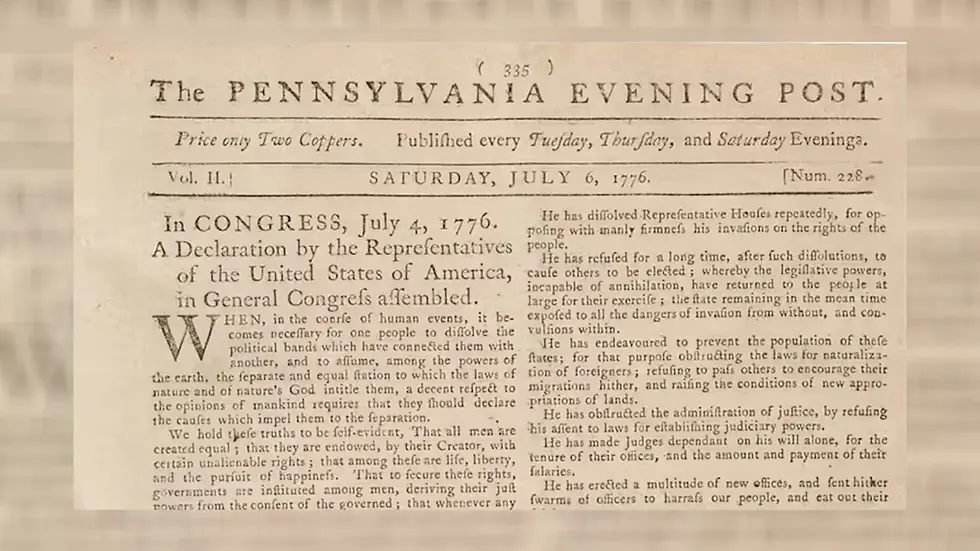
As riders traveled throughout the colonies, newspapers began printing the Declaration and local officials prepared to read it aloud.
Not everyone could read in 1776, and newspapers weren't available in every town. Public readings allowed entire communities to hear important news together.
Imagine standing in a crowded courthouse square or outside your local church and hearing these words for the very first time:
"We hold these truths to be self-evident..."
For some, those words inspired hope.
For others, they brought uncertainty.
Declaring independence was one thing.
Winning it would be another.
July 8: The Declaration Is Read to the People
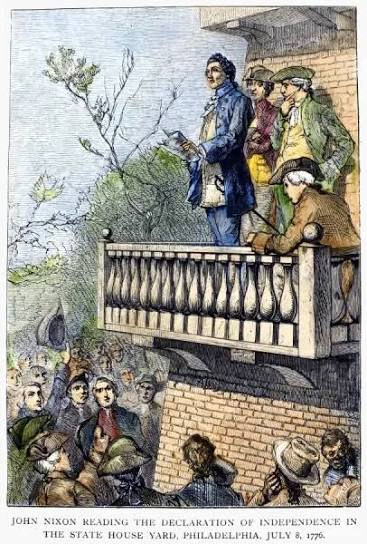
On July 8, 1776, thousands gathered outside the Pennsylvania State House—today known as Independence Hall—to hear Colonel John Nixon publicly read the Declaration of Independence.
For many in attendance, this was the first time they had heard the document.
The words were no longer confined to the delegates meeting inside Congress.
They now belonged to the American people.
Across the colonies, similar public readings followed as copies of the Declaration continued to arrive in towns large and small.
July 9: Washington Reads the Declaration to His Army
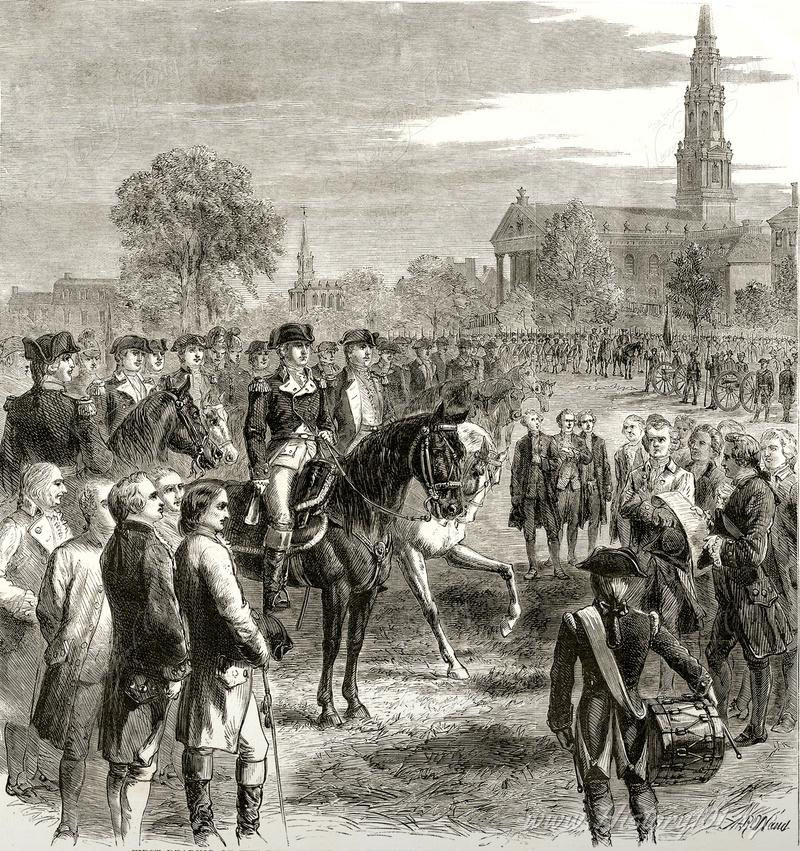
The following day, General George Washington assembled the Continental Army in New York and ordered the Declaration read aloud to his soldiers.
These men had already been fighting for more than a year.
Now they knew exactly what they were fighting for.
The reading strengthened morale as Washington prepared his army to defend New York against the largest British military force ever assembled in North America.
That same day, New York became the last colony to approve the Declaration, making support for independence unanimous among the thirteen colonies.
July 10–13: The War Was Just Beginning
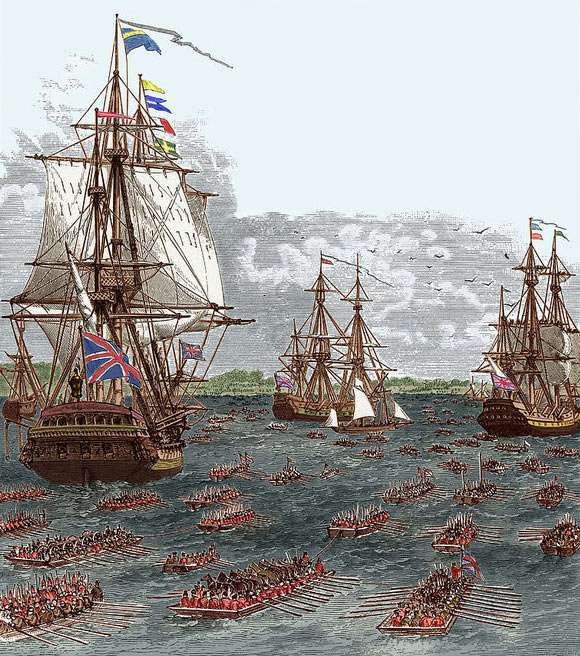
While the Declaration spread across America, hundreds of British ships filled New York Harbor.
More than 30,000 British and Hessian troops were preparing to attack.
The celebrations were brief.
The reality of war quickly returned.
Within weeks, Washington and his army would fight the Battle of Long Island, suffering one of the greatest defeats of the Revolutionary War before making a daring nighttime escape across the East River.
The Declaration had announced America's independence.
Now the colonies had to defend it.
Independence Was Only the Beginning
It's easy to think of July 4, 1776, as the finish line.
In reality, it was the starting point.
The Declaration of Independence did not end the Revolutionary War.
It explained why the colonies believed they had the right to become free and independent states.
The next seven years would bring battles, hardships, victories, defeats, and extraordinary sacrifices before that declaration became reality.
History Is More Than One Day
At Camp Flintlock, we love exploring the moments between the famous dates.
The week after July 4 reminds us that history didn't stop when Congress approved the Declaration. Messengers rode dusty roads carrying fresh-printed broadsides. Families gathered in town squares to hear the words of independence. Soldiers listened as the Declaration echoed through their camps, knowing the hardest days of the Revolution still lay ahead.
America's story wasn't written in a single afternoon.
It unfolded one conversation, one journey, one public reading, and one act of courage at a time.
Because history isn't just about the day something happened.
It's about what happened next.
Nice